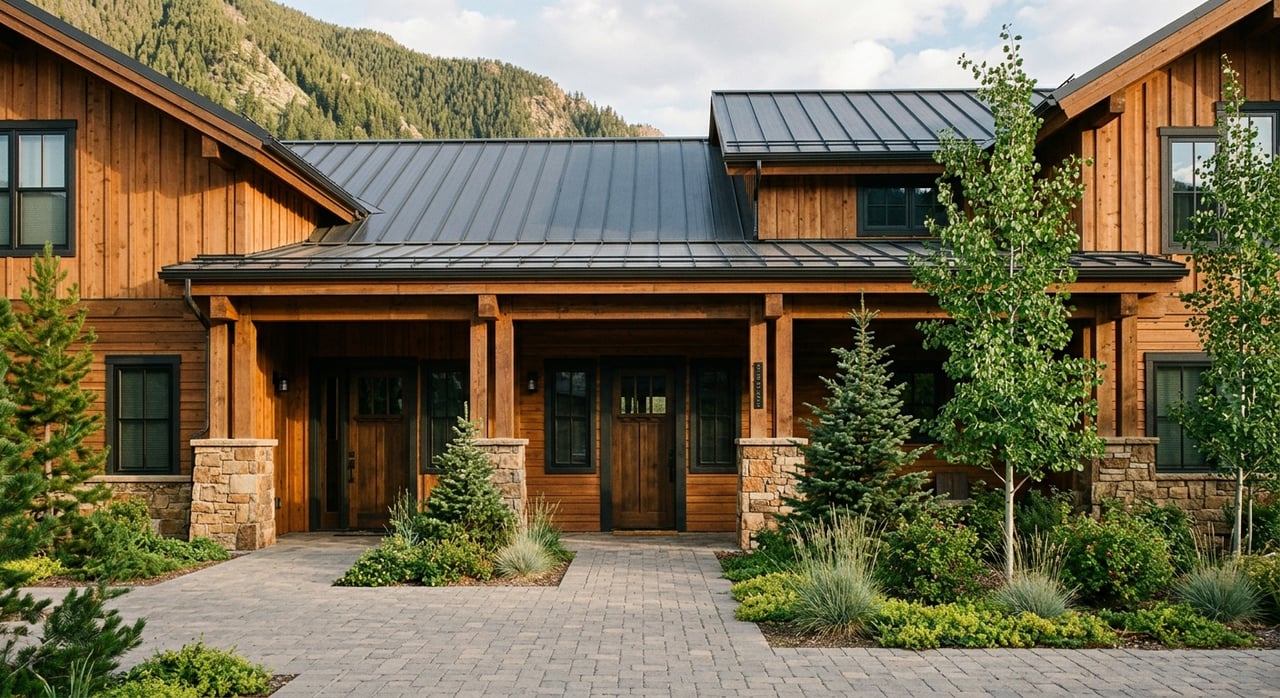
Trying to choose between a condo and a townhome in Big Sky? You are not alone, and in this market, the answer is not as simple as picking the layout you like best. In a resort community where access, maintenance, and rental rules can vary from one area to the next, the better choice usually comes down to how you plan to use the property. This guide will help you compare the two, understand the local factors that matter most, and narrow in on the right fit for your Big Sky goals. Let’s dive in.
Why the choice is different in Big Sky
In many markets, condo versus townhome is mostly about style and maintenance. In Big Sky, it is also about location, ownership structure, HOA rules, and intended use.
Big Sky is an unincorporated community under county jurisdiction, and the resort area includes distinct base areas such as Mountain Village, Madison Base, and Montage, according to the Madison County growth policy and the Big Sky Resort base areas guide. That means two properties that seem similar on paper may offer very different access to lifts, trails, transit, or rental options.
It also helps to know that the label can be misleading. Fannie Mae explains that some townhome-style properties are legally structured as condos, which can affect financing, ownership responsibilities, and association rules. Before you get attached to a floor plan, you will want to verify how the property is actually classified.
Condo vs. townhome basics
What a condo usually means
A condo typically gives you ownership of an individual unit plus shared ownership of common areas. According to Fannie Mae, condos often come with monthly assessments that help cover exterior maintenance, shared spaces, and sometimes utilities or amenities.
For many buyers, the biggest appeal is simplicity. If you want a more lock-and-leave property with less day-to-day upkeep, a condo can be an easier fit, especially in a resort setting.
What a townhome usually means
A townhome is often a multi-level home that shares one or two walls with neighboring units and usually has a private entrance. Fannie Mae’s townhome overview notes that townhomes are built up rather than out and often feel more like a traditional house.
In Big Sky, that can appeal to buyers who want more separation, more defined entry space, or outdoor features like a patio or deck. HOA fees may still apply, and those fees may still cover exterior maintenance or shared amenities.
The real question: How do you want to live?
The best way to choose is to match the property type to your lifestyle. In Big Sky, three factors usually matter most: maintenance, access, and permitted use.
If you want easy ownership with less exterior work, a condo may make more sense. If you want a more house-like feel with added privacy and a separate entrance, a townhome may be the better fit.
Then look one level deeper. How important is walkability to resort amenities? Do you want easy trail access in summer? Are you hoping to rent the property at certain times of year? Those answers often matter more than the condo-versus-townhome label itself.
Access matters more than you think
Resort access can vary a lot
If skiing and resort convenience are high on your list, location within Big Sky deserves close attention. Big Sky Resort describes Mountain Village as the central base village with shopping, dining, ticketing, rentals, and several condo options.
The resort also notes that Madison Base is winter-only and can be reached by a quick drive from Mountain Village or by the Madison 8 chairlift. Parking, lessons, and rentals are available there as well, but access and daily rhythm may feel different depending on where you buy.
This is why “near the mountain” is not specific enough. You will want to look at actual distance to lifts, village services, and transportation, not just the marketing description.
Trail access supports year-round use
Big Sky is not only a winter destination. The Big Sky Community Organization trail system includes 45.3 miles of multi-use, multi-directional trails, with more than 30 miles managed by BSCO.
That can make a real difference if you plan to use your property beyond ski season. Some buyers prefer a lower-maintenance condo close to resort services, while others are drawn to a townhome that feels better suited for longer summer stays and daily outdoor use.
Big Sky also offers easy-access options such as Ousel Falls in Town Center, which Big Sky Resort notes is stroller- and wheelchair-accessible. If year-round recreation matters to you, be sure to compare how each property connects to trails, not just ski runs.
Transportation can shape your decision
If you want to be less dependent on a car, transportation should be part of your comparison. Skyline Bus provides year-round, zero-fare service throughout Big Sky, along with a low-fare link between Big Sky and Bozeman.
For shorter local trips, Big Sky Connect offers on-demand rides in Meadow Village, Town Center, and Mountain Village. At the same time, Big Sky Resort advises that ridesharing apps are not a reliable option, and lodging outside Mountain Village, Montage, or Town Center may require a car.
That matters because some condos are positioned to support a more car-light lifestyle, while some townhomes may offer more privacy but less convenient transit access. Neither is better across the board. It depends on how you expect to move through Big Sky.
Rental plans need careful review
Do not assume nightly rentals are allowed
If rental income is part of your plan, this is one of the most important parts of your search. In Big Sky, short-term rental rules are highly location-specific, and county rules and HOA rules both matter.
According to Gallatin County regulations, a short-term rental is a dwelling rented for lodging for less than 30 consecutive days, and some zoning districts allow that use by right while others require a conditional use permit. The same rules state that short-term rental use is for lodging only.
On the Madison County side, the county’s growth policy and housing needs assessment describe a strong short-term rental market in Big Sky. Still, that does not mean every unit is eligible. You need to confirm the parcel’s county, zoning, and association restrictions before assuming the property can be rented the way you want.
HOA rules can be just as important
The National Association of Realtors notes that association rules may limit or prohibit rentals, pets, and home-based business use, and buyers should review HOA documents and financials carefully. Their buyer guidance on condo questions is especially useful when you are comparing properties with similar price points but different ownership terms.
This is another reason a condo may be a great fit for one buyer and a poor fit for another. If you want a turnkey rental strategy, some resort-managed properties may align well with that goal. If you want flexibility and longer personal stays, a townhome or a non-resort community may be a better match, depending on the rules.
A hands-off option exists in Big Sky
For buyers who want a more managed rental experience, Big Sky Resort’s property management program is a local example of a turnkey model. The resort says it can handle marketing, reservations, accounting, maintenance, security, and housekeeping.
For some buyers, especially second-home owners, that kind of support can make a condo more attractive. It may simplify ownership and reduce the number of moving parts when you are not in town full time.
What to verify before you buy
No matter which property type you prefer, due diligence is key. NAR recommends reviewing the association’s fees, reserve funding, maintenance history, and any risk of special assessments.
As you compare options in Big Sky, make sure you ask:
- What does the HOA fee actually cover?
- Are reserves adequately funded?
- Have there been recent or planned special assessments?
- What do the CC&Rs say about rentals?
- Are there limits on pets or other uses?
- Is the property legally a condo or a townhome, or a townhome-style condo?
- Which county and zoning district is the parcel in?
- How close is the unit to lifts, trails, transit, or daily services?
Those answers often tell you more than a listing headline ever will.
Which one is right for you?
A condo may fit best if you want
- Lower-maintenance ownership
- Lock-and-leave convenience
- Proximity to resort amenities or transit
- Shared services and amenities
- Potential access to a managed rental program
As the NAR condo ownership guide points out, condos often work well for buyers who value convenience and less exterior upkeep.
A townhome may fit best if you want
- A more house-like layout
- A private entrance
- A patio or deck
- More separation from neighbors
- A better fit for longer stays or full-time living
Fannie Mae notes that townhomes often feel more like single-family homes while still benefiting from HOA-managed exterior care in some communities.
Final thoughts on choosing in Big Sky
In Big Sky, the smartest choice is usually the one that lines up with how you want to own, not just how you want the property to look. A condo can be ideal if you want easy upkeep, resort convenience, and a simpler lock-and-leave setup. A townhome can be a strong fit if you want more privacy, a more residential feel, and space that works well for longer stays.
What matters most is verifying the details behind the listing. Ownership structure, HOA terms, rental rules, county jurisdiction, and real-world access can all shape whether a property truly fits your plans. If you want help sorting through Big Sky options with a local, practical lens, connect with Small Dog Realty to talk through your goals.
FAQs
What is the difference between a condo and a townhome in Big Sky?
- A condo usually means you own an individual unit plus shared common areas, while a townhome often has a private entrance, multiple floors, and a more house-like feel. In Big Sky, the legal ownership structure may not always match the style, so it is important to verify the classification.
Are Big Sky condos easier to maintain than townhomes?
- Often, yes. Condo ownership usually includes HOA-covered exterior maintenance and shared services, which can make it easier if you want a lock-and-leave property with less day-to-day upkeep.
Can you use a Big Sky condo or townhome as a short-term rental?
- Possibly, but you need to verify county rules, zoning, and HOA restrictions first. Some areas allow short-term rentals more easily than others, and HOA rules may still limit or prohibit them.
Are townhomes in Big Sky better for full-time living?
- They can be a strong fit for full-time or longer-stay owners who want a private entrance, more separation, and a more house-like layout. The right choice still depends on the community, HOA, and location.
Does location within Big Sky matter when choosing a condo or townhome?
- Yes. Access to lifts, trails, transit, and village services can vary a lot by property. In Big Sky, location often affects daily convenience and rental potential as much as the property type itself.