Trying to decide between Bozeman, Belgrade, or Manhattan? You’re not alone. Each town offers a distinct lifestyle, price point, and rhythm of daily life, and the differences matter when you’re choosing where to put down roots. In this guide, you’ll compare housing, commutes, amenities, and buyer fit so you can narrow your search with confidence. Let’s dive in.
Bozeman, Belgrade, Manhattan at a glance
Bozeman anchors the Gallatin Valley as the employment, healthcare, university, and culture hub. You’ll find the widest mix of jobs, the most restaurants and shops, and Montana State University events. Belgrade sits close to the airport and blends newer subdivisions with a growing retail base. Manhattan offers a smaller, rural town experience with more space and agricultural surroundings.
Growth in Bozeman influences the entire valley. As demand rises in and near Bozeman, many buyers explore Belgrade and Manhattan for value, lot size, or a quieter setting. Your best fit depends on how you weigh commute time, amenities, and the type of property you want.
Housing and lot size differences
Bozeman housing snapshot
Bozeman offers a wide range of homes, from condos and townhomes near downtown to historic craftsman properties and suburban single-family neighborhoods. Newer, higher-density infill is common in central areas. Expect smaller lot sizes in town, higher median prices, and more competition for central locations. Investor and cash activity can be more common than in smaller towns.
Belgrade housing snapshot
Belgrade’s neighborhoods skew newer, with many recent subdivisions and entry- to mid-level single-family homes. You’ll also see multifamily apartments and new builds targeted to first-time and move-up buyers. There’s generally more new-construction inventory than in Manhattan, and the value proposition often attracts commuters to Bozeman. Retail and services continue to expand.
Manhattan housing snapshot
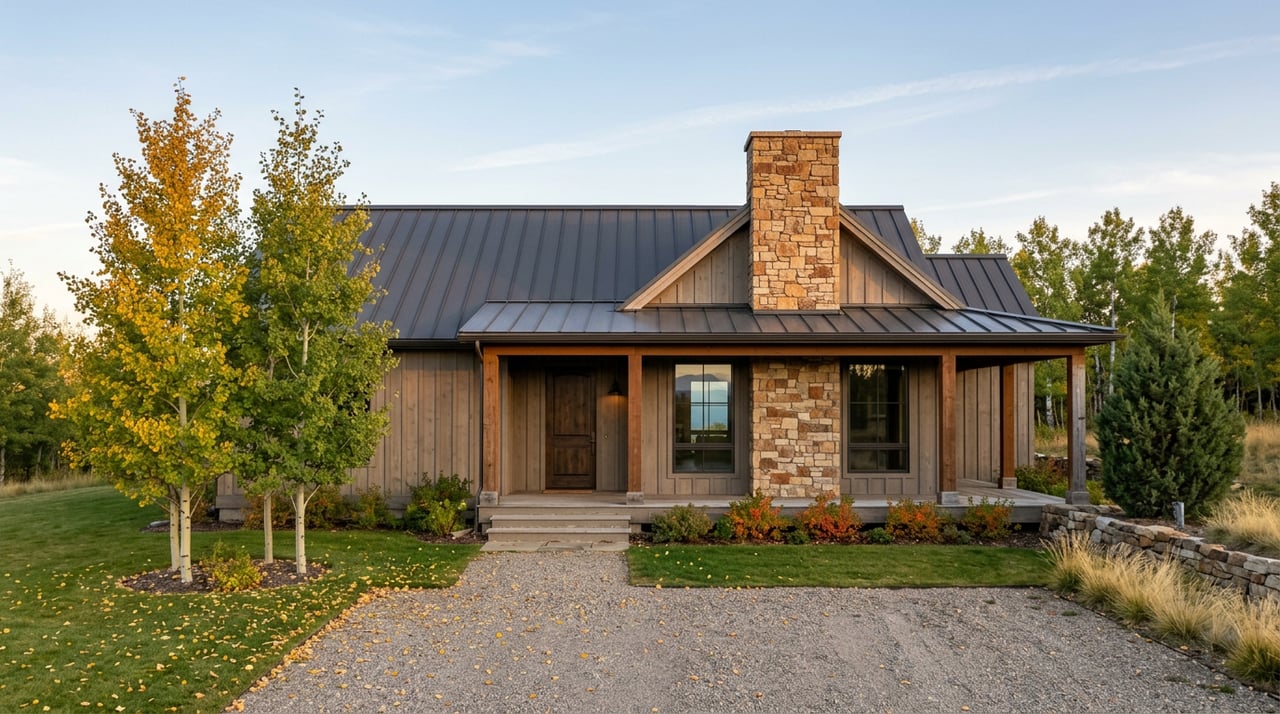
Manhattan leans rural. Most homes are single-family on larger lots or small acreage, with some manufactured homes and fewer multifamily options. New construction tends to be custom or acreage-focused. Inventory is smaller and turnover is lower than in Bozeman or Belgrade, and many listings are unique with features like outbuildings. Utility specifics like wells, septic systems, and winter road maintenance can shape your decision and ongoing costs.
Commutes and travel
Drive patterns and routes
Bozeman is the primary employment center, so many Belgrade and Manhattan residents commute into the city. I‑90 and local highways connect Bozeman to Belgrade, while routes between Bozeman and Manhattan include US‑287 and county roads. Drive times vary by address and traffic. It’s smart to test sample commutes during peak hours to get a realistic feel.
Winter and reliability
Regional public transit is limited compared with bigger cities. Bozeman offers local bus service, but most cross-valley travel is by car. In winter, snow and ice can affect rural routes to Manhattan more than in-town streets. If your job requires punctual arrival, factor seasonal conditions and road maintenance into your plan.
Amenities and services
Bozeman access
Bozeman concentrates the valley’s major services. You’ll find the broadest retail choices, specialist medical care, arts and culture, and MSU-driven events. If you want to step out to restaurants or live near nightlife, Bozeman checks those boxes and reduces in-town drive time.
Belgrade convenience
Belgrade’s amenities continue to grow, with more dining and shopping than a decade ago and quick airport access. Many residents rely on Bozeman for specialized services but enjoy the balance of newer neighborhoods and shorter drives into town. For frequent flyers, the location is a clear advantage.
Manhattan essentials
Manhattan offers a small-town commercial core with everyday basics like a local grocery, hardware, and small restaurants. For major shopping, entertainment, and specialist healthcare, you’ll likely drive to Bozeman. Community life often centers on local schools and agriculture-related activities, which many buyers find appealing.
Schools overview
All three communities have local public schools. Bozeman’s larger district provides access to a wider range of programs and activities. Belgrade and Manhattan offer smaller-enrollment experiences that some families prefer. If schools are a top factor for you, review specific programs and assignments for the addresses you are considering.
Who each town fits
You might prefer Bozeman if
- You want walkability, downtown culture, and easy access to MSU.
- You value short in-town commutes and a wide range of services.
- You are comfortable paying a premium for location and amenities.
Trade-offs to expect: higher purchase prices, smaller yards, and more urban noise.
You might prefer Belgrade if
- You want relatively newer homes and a price point that can be lower than central Bozeman.
- You travel often and value proximity to the airport.
- You plan to commute to Bozeman but want a suburban neighborhood feel.
Trade-offs to expect: some commuting, ongoing development activity, and potential for growing traffic.
You might prefer Manhattan if
- You want acreage, privacy, or space for hobby farming or equestrian uses.
- You are comfortable with rural systems like wells, septic, and possibly propane.
- You prefer a quieter, small-town environment and fewer immediate amenities.
Trade-offs to expect: longer drives for shopping and healthcare, smaller inventory, and a narrower pool of future resale buyers seeking very rural properties.
Decision checklist you can use
Budget and total cost
- Set a realistic price range and account for taxes, insurance, and rural system upkeep if applicable.
- Verify property taxes and any special assessments through the county.
Non-negotiables inventory
- Define lot size, beds and baths, and any school or neighborhood preferences.
- Consider proximity to your employer or MSU.
Commute tolerance
- Test three addresses at peak times using mapping tools.
- Think through winter reliability for rural roads.
Lifestyle priorities
- Rank walkability, dining, and arts versus quiet, space, and outdoor access.
- Note how often you travel by air.
Practical service checks
- Confirm internet speeds, cell coverage, water source and septic details, road maintenance, and HOA rules.
Resale and market liquidity
- Ask about days on market and buyer demand for similar homes in each town.
Visit plan
- Spend a weekday morning or evening and a weekend day in each town to get a feel for traffic, noise, and hours of local businesses.
Planning, growth, and local risks
Regional growth can bring zoning changes, annexations, new subdivisions, and construction traffic. Schools, water and sewer capacity, and roadways may feel the strain in fast-growing areas. If you are considering land or acreage, review wildfire and flood risk and understand how wells, septic systems, and propane may influence maintenance and long-term costs.
Your next steps
If you feel torn between three great options, you’re in good company. The right choice starts with clear priorities and on-the-ground knowledge of specific neighborhoods, road conditions, and property systems. Our team pairs town and rural expertise with hands-on service so you can compare real homes, real commutes, and real costs before you decide. When you’re ready to tour or build a short list, reach out to Small Dog Realty.
FAQs
Which town is most affordable in Gallatin Valley?
- Central Bozeman often carries the highest price per square foot, while Belgrade and Manhattan can offer lower entry points depending on property type and location.
What is the best location for commuting to Bozeman jobs?
- Belgrade typically offers the shortest drives into Bozeman, while Manhattan involves longer rural routes. Test your exact commute during peak times.
Is Manhattan too isolated for daily life?
- Manhattan is smaller with fewer services, but it has daily essentials and a strong community feel. Many residents drive to Bozeman for major shopping and healthcare.
How do school experiences differ among the towns?
- Bozeman’s larger district offers a broader range of programs, while Belgrade and Manhattan provide smaller-enrollment environments. Review specific schools that serve your target addresses.
What should I know about rural utilities near Manhattan?
- Many properties use wells and septic systems and may rely on propane. Factor maintenance, inspections, and road snow removal into your plans and budget.