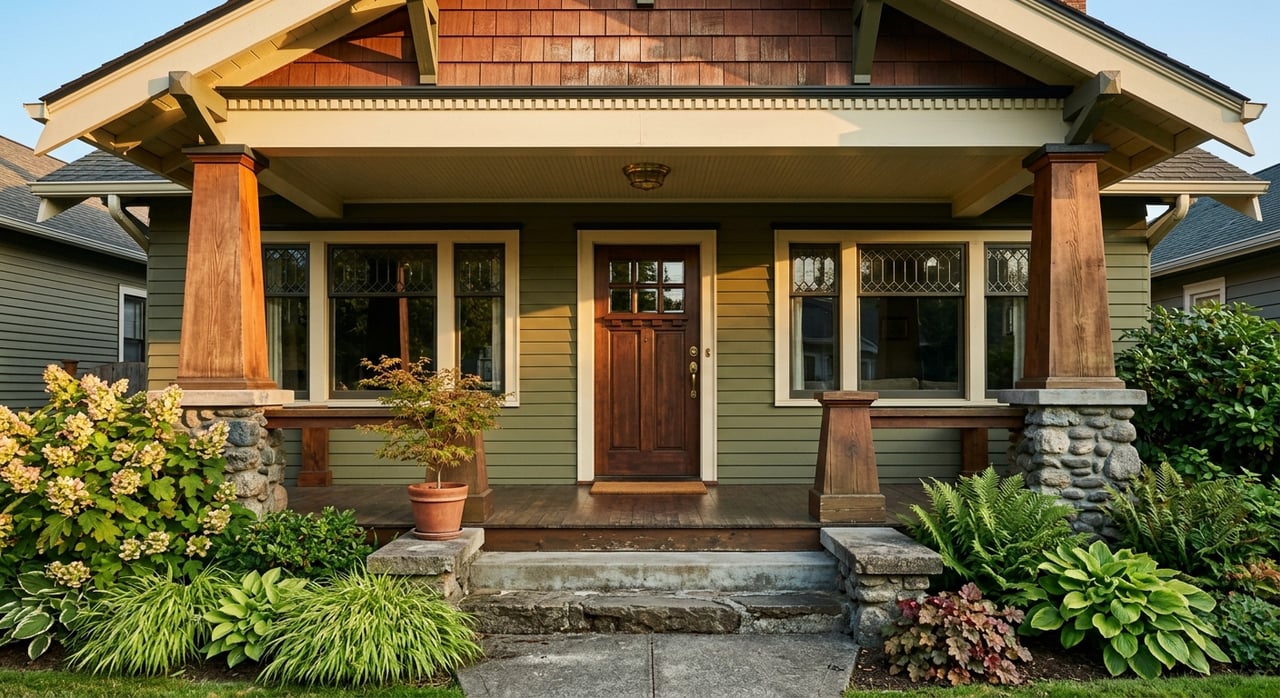
Dreaming about a historic home in Lewistown? You are not alone. Older homes here offer character, walkable streets, and a strong sense of place, but they also ask more of you as a buyer. This guide will help you understand what makes Lewistown’s historic homes special, what to inspect closely, and how to plan for renovations with fewer surprises. Let’s dive in.
Why Lewistown Historic Homes Stand Out
Lewistown’s historic appeal is deeply tied to its early 20th-century growth. A National Register survey found that much of a 41-block area was built during the first two decades of the 1900s, and that the district still keeps the scale and feel of an early 20th-century community.
That history shows up in the homes themselves. You may see stone and brick masonry, bungalows, stick-style details, and hall-house forms. If you want architecture with real local roots, Lewistown offers a housing stock that still reflects its original era.
Historic Districts Buyers Should Know
Two of Lewistown’s best-known historic areas help explain why buyers are drawn here. These districts combine preserved architecture with a location that makes daily life feel connected to downtown.
Silk Stocking Historic District
The Silk Stocking Historic District includes seven large residences built between 1904 and 1919. It sits just 2 to 3 blocks from the Central Business District and still has mature landscaping along with its original scale and density.
For buyers, that means you are looking at a neighborhood where character is not limited to one house. The setting, spacing, and streetscape are part of the appeal too.
Courthouse Historic District
The Courthouse Historic District contains 27 buildings, including 17 residential properties. The area includes early stone work, foursquare homes, and other architecturally significant residences.
If you are comparing older homes in Lewistown, this district can offer a strong mix of architectural detail and historic context. It is one more example of how Lewistown’s past is still visible in everyday residential streets.
The Lifestyle Appeal of Historic Lewistown
Historic homes are not just about trim, brick, or original floor plans. In Lewistown, they are also tied to a walkable downtown experience and a preserved streetscape that feels easy to read and enjoy.
The city’s Historic Preservation page highlights a downtown Living History Project, described as an interactive walking tour that continues to expand. For you as a buyer, that signals a community that actively values and interprets its historic built environment.
What to Inspect in an Older Home
A historic home can be rewarding, but due diligence matters even more when a property has been around for decades. A full home inspection is one of your most important tools.
According to HUD’s rehabilitation inspection guidance for older residential buildings, the inspection should evaluate the site, exterior, interior, structural systems, electrical, plumbing, and HVAC. That broad review helps you understand not only current condition, but also likely repair priorities.
Inspection findings can also shape negotiations before closing. If major issues show up, you may be able to request repairs or a credit, depending on the transaction.
Focus on Health and Safety Items
Because much of Lewistown’s historic housing stock predates 1978, you should treat lead, asbestos, and radon as standard due-diligence items. Older homes are more likely to contain lead-based paint, and renovation work can create dangerous lead dust if surfaces are disturbed.
If you suspect asbestos-containing materials and future work could disturb them, the material should be sampled by a trained and accredited professional. For radon, Montana DEQ notes that it can be found in every state, including Montana, and offers testing resources and mitigation provider lists.
Expect Layout Differences
Historic charm often comes with period-specific design choices. Lewistown’s historic survey points to original scale, density, and older housing forms, which can mean smaller rooms, less-open circulation, and floor plans that feel different from newer homes.
That does not make a home less functional, but it does mean you should compare your daily needs with the home’s existing layout. Think about how you live now, not just how the home photographs.
Renovation Rules in Lewistown
If you plan to update a historic home, start with local rules before you finalize your budget or timeline. In Lewistown, the planning department handles zoning within the city and the two miles surrounding it.
That department also helps with variances, zoning changes, subdivision matters, floodplain issues, and related applications. If your project is more than cosmetic, those details can affect your timeline.
Permits and Code Matter
For permitted work, Lewistown’s Building Department says you must bring the necessary documents for plan review before a permit is issued. The city also notes that contractors need a valid city business license.
Lewistown has adopted building code standards that apply to all buildings in the city’s enforcement area, including small residential buildings. The city also uses the International Existing Building Code for repairs, alterations, additions, changes of occupancy, and relocation of existing buildings, including historic buildings.
The practical takeaway is simple. You can update an older home, but the work is still code-driven and permit-driven.
Preservation Is Part of the Local Picture
Lewistown’s preservation efforts are active, not just ceremonial. The city’s Historic Preservation page references the Historic Resource Commission and the Living History Project, while the 2024 Lewistown Plan calls for preserving downtown historic character, supporting adaptive reuse of historic or culturally significant buildings, and visually connecting the city’s five historic districts along Main Street.
For buyers, that means historic character is part of the community’s long-term planning. If you love that atmosphere, this is good news. If you hope to make major visible changes, it is a reason to ask questions early.
How to Budget for a Historic Home
Historic homes often reward careful planning more than rushed decision-making. A smart approach is to build in a contingency budget and think in phases rather than trying to do every project at once.
Guidance for historic properties emphasizes ongoing maintenance and repair over unnecessary replacement. That can help you preserve original materials where practical while making steady improvements over time.
Build a Phased Plan
A phased plan can help you separate urgent items from lifestyle upgrades. For many buyers, that means handling health and safety concerns first, then system repairs, then cosmetic projects.
A simple planning order often looks like this:
- Inspection and specialist follow-up
- Lead, asbestos, or radon testing as needed
- Structural or water-management repairs
- Electrical, plumbing, or HVAC updates
- Exterior work tied to weather protection
- Interior improvements and finish updates
This kind of order can help you avoid spending on finishes before the essentials are handled.
Verify Incentives Early
Some preservation incentives may be available in Montana, but you should never assume they apply to your purchase. The Montana Department of Revenue describes a Historic Buildings Preservation Credit, while Montana SHPO says the program is tied to federally certified projects and generally to income-producing buildings.
That means eligibility is project-specific. If a tax credit is part of your budget strategy, confirm the details early before you count on it.
Choosing the Right Professionals
The best team for a historic-home purchase is usually not just one person. In many cases, you will want a general home inspector first, then specialists if the inspection points to specific concerns.
Depending on the property, that might include lead-related testing, asbestos evaluation, radon testing, or contractor input for major repair estimates. When you hire contractors, check their recommendations, licenses, and insurance, and remember that Lewistown requires contractors to hold a valid city business license.
A good real estate guide can help you keep these moving pieces organized. That matters even more when you are buying a property with age, character, and a few unknowns.
What a Smart Buyer Keeps in Mind
Buying a historic home in Lewistown is often about balancing emotion and practicality. You may fall for original stonework, mature landscaping, or a location near downtown, but you still need a clear-eyed view of condition, layout, permits, and future costs.
When you approach the process with the right expectations, older homes become easier to evaluate. You can appreciate the charm while making informed choices about inspections, renovation plans, and timing.
If you are exploring character homes in Montana and want a local team that values both lifestyle and real-world details, Small Dog Realty is here to help you make a smart move.
FAQs
What makes Lewistown historic homes appealing to buyers?
- Lewistown historic homes appeal to many buyers because they reflect the city’s early 20th-century character, often feature stone or brick construction and period details, and are located in walkable areas near downtown.
What inspections matter most for a Lewistown historic home?
- A full home inspection is essential, and many buyers should also consider targeted checks for lead, asbestos, and radon because much of Lewistown’s older housing stock predates 1978.
Can you modernize a historic home in Lewistown, MT?
- Yes, but major work should be reviewed with local planning staff first, and substantial updates are typically part of a permit-driven, code-driven process.
Do Lewistown historic homes have different floor plans?
- Many do, and buyers should expect some homes to have smaller rooms, less-open circulation, and layouts that reflect the home’s original period rather than modern open-concept design.
Are there tax incentives for historic homes in Montana?
- Some preservation incentives exist, but eligibility depends on the project, so you should verify details early with the appropriate state offices before building them into your budget.