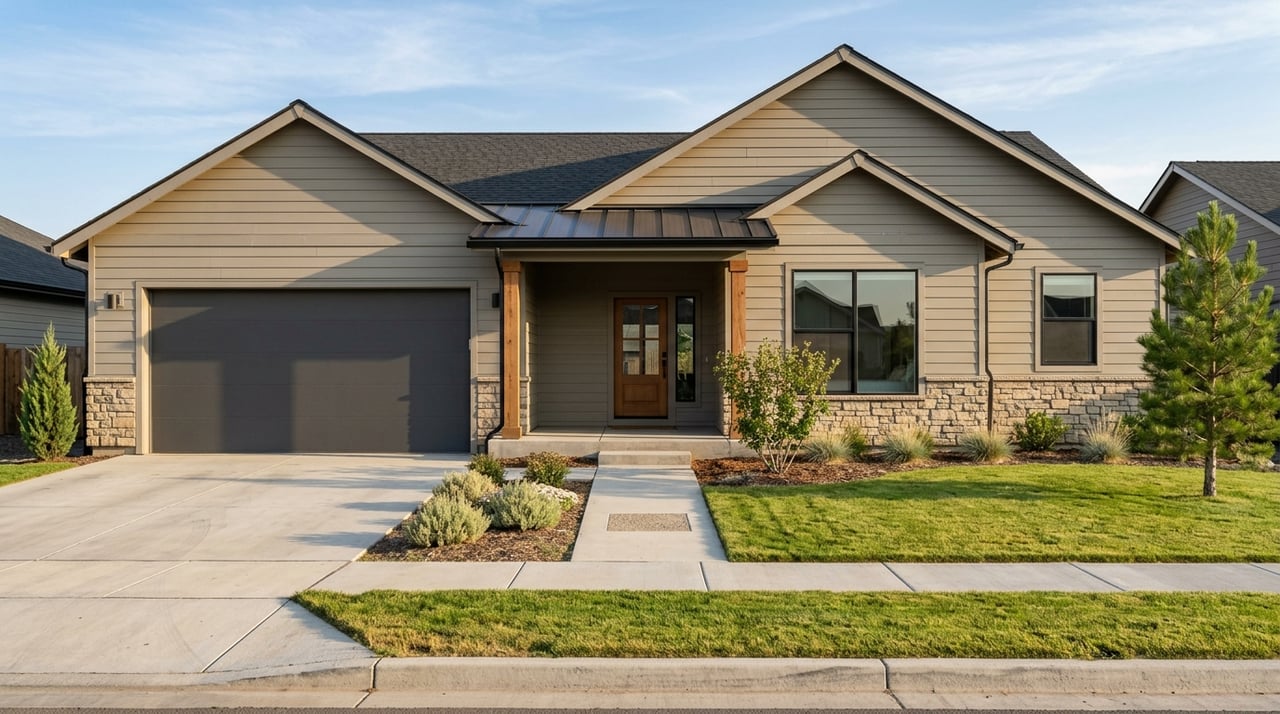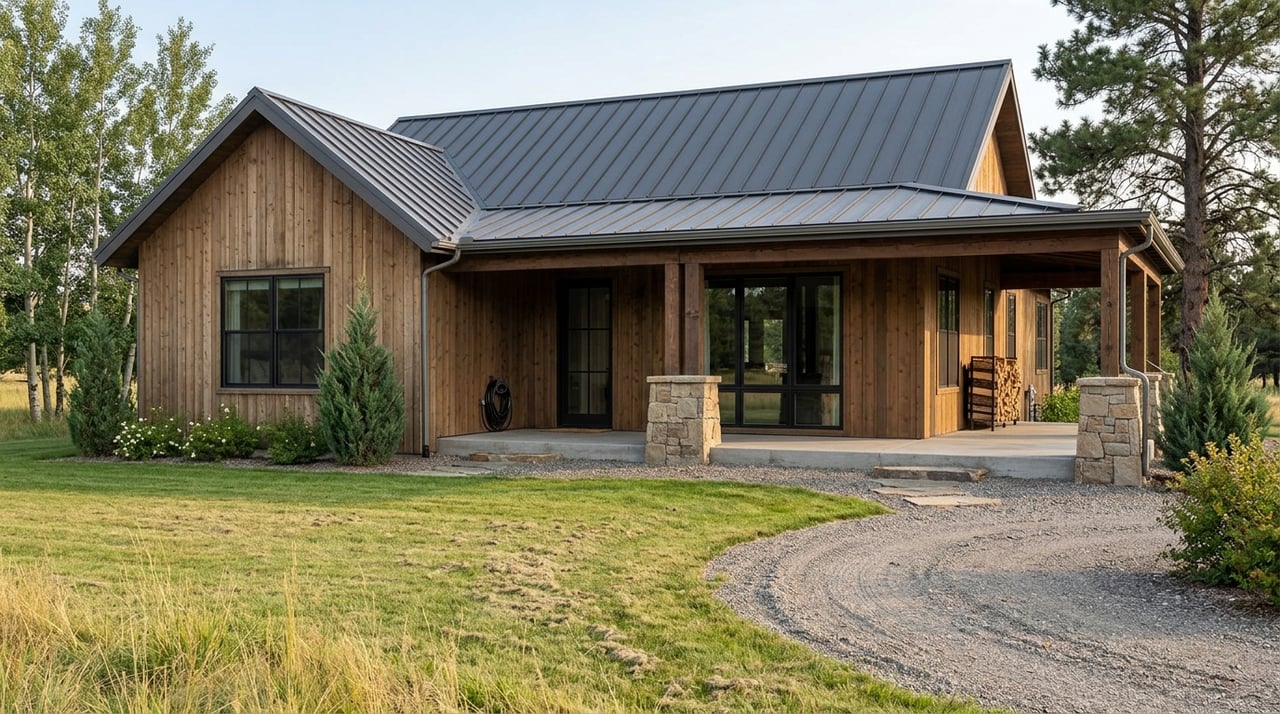
Wondering why some Wilsall acreage listings feel straightforward while others stall out on basic questions? When you sell rural property, buyers are not just looking at the view. They want clear facts about access, water, septic, taxes, and how the land actually works day to day. If you get those details organized before you list, you can make your property easier to understand, easier to market, and easier for buyers to take seriously. Let’s dive in.
Start with the county basics
Before photos, pricing, or marketing, make sure your core property facts are easy to verify. In Wilsall, that often starts with Park County records and the documents tied to your parcel.
Park County Rural Addressing serves Wilsall and asks for a legal description, geocode, and a site plan showing the driveway and structure location before assigning or changing an address. For sellers, that means these details are worth gathering early, especially if your address history, driveway setup, or improvements have changed over time.
A strong starting folder should include your tax bill or appraisal notice. In Montana, these records typically show the legal description, geocode, and acreage, and they may also show special assessments or fees.
If your property is in a rural improvement district, that matters too. Park County notes that rural improvement districts can fund roads, water, sewer, storm drain, utility infrastructure, parks, and recreation through an additional tax, so buyers will want to know if that applies to your parcel.
Gather access documents early
Access is one of the first things acreage buyers ask about. They want to know how they reach the property, whether the access is legal, and whether anything about the road or driveway requires extra explanation.
If your property uses a shared road, a cross-parcel driveway, or any other off-parcel access, keep your paperwork together in one place. That may include recorded easements, road agreements, and road name or address records.
This matters because Park County subdivision rules highlight the importance of signed, notarized easements when access crosses other property. The county road department also notes that work in the county right-of-way can require permits for driveway approaches, utility connections, snowplowing, and dust control.
If you have completed road-related work, it helps to be ready to explain what was done and whether permits were required. The goal is not to overwhelm buyers with paperwork. It is to remove uncertainty before it slows down a showing or offer.
Organize water and septic records
For Wilsall acreage, water and wastewater information can shape buyer confidence fast. If you have these records ready before listing, you will be in a much better position to answer practical questions.
MSU Extension recommends keeping a well file and septic file along with maintenance records and water-quality tests. A well log can include details like depth, casing diameter, depth to water, and materials drilled through, which helps buyers understand the system better.
It is also important to keep expectations clear. According to Montana DNRC and MSU Extension, a well log by itself does not establish a water right.
For private wells, Montana DEQ recommends an annual check-up, testing for coliform bacteria and nitrates, and inspection of the wellhead and pressure tank. If your most recent tests and maintenance notes are organized and easy to share, buyers have fewer reasons to guess about the condition of the system.
Septic records matter just as much. DEQ says septic systems generally need pumping every 3 to 5 years, and a failing system can lower property value, so service dates and maintenance history are useful items to pull together before your property goes live.
Clarify water rights and ditch details
If your acreage includes live water, irrigation, or a ditch, do not leave that story vague. Buyers will notice, and many will ask about ownership, maintenance, and legal use right away.
Montana DNRC says a recorded water right is required for most water uses, and geocodes are used to track water-right ownership. If water rights are part of your property, having those records organized can help your listing feel much more complete.
MSU Extension also notes that ditch rights can include easements for the ditch path and maintenance access. That means buyers may need a simple explanation of who maintains what, where access runs, and what responsibilities come with it.
Weed control is another practical point tied to ditch areas. MSU Extension notes that weed control is the landowner’s responsibility, so it helps to have the area looking maintained and easy to understand.
Improve how the acreage shows
Acreage buyers often form an opinion before they ever step out of the truck. The entrance, drive lane, house site, and outbuildings all shape how easy the property feels to understand.
NAR defines staging as cleaning, decluttering, repairing, depersonalizing, and updating a property. On acreage, that usually means trimming the entrance, clearing out junk or unused equipment, opening key views, and making fence lines, gates, and drive lanes easier to read in person and in photos.
This kind of prep does more than make the place look nicer. It helps buyers picture how the property functions, which matters a lot when there is more land, more infrastructure, and more to interpret.
If you have barns, sheds, corrals, or workshops, make them accessible and easy to see. A buyer should be able to understand the layout without guessing what is behind a stack of materials or an overgrown turnoff.
Prepare for listing photos
Online presentation carries a lot of weight, especially for rural properties that may attract buyers from outside the immediate area. NAR reports that 52% of buyers found the home they purchased online, nearly half started their search online, and 81% rated listing photos as the most useful feature during their search.
That means your property needs to look clear, honest, and inviting from the first image forward. The strongest exterior or lifestyle image often works best as the lead photo because it gives buyers an immediate feel for the setting.
Just as important, your listing description should answer common questions early. For Wilsall acreage, that often includes access, water source, septic information, outbuildings, and anything that affects use or cost.
If any image is digitally altered or virtually staged, disclose that clearly. NAR’s guidance emphasizes transparency and a true picture in advertising, which helps protect trust with buyers from the start.
Anticipate the questions buyers will ask
Many acreage listings get bogged down not because the land is undesirable, but because the basic facts are hard to pin down. In Wilsall, buyers tend to ask practical, property-specific questions.
Expect questions like these:
- How do you access the property, and is that access documented?
- Is there a well, and are there recent water-quality tests?
- What septic system is in place, and when was it last serviced?
- Are there water-right or ditch records to review?
- Are there floodplain, drainage, zoning, subdivision, or rural improvement district issues that affect use or cost?
Park County says to contact Planning to learn whether a property may be in the floodplain, and it notes that work in or near streams can require additional permitting. If any of these topics affect your property, clear explanation matters just as much as the documents themselves.
Build a simple seller checklist
If you are getting ready to list your Wilsall acreage, focus on the items that reduce confusion and support value. A clean, well-documented property is usually easier for buyers to understand and easier for your agent to market well.
Use this quick checklist before your valuation meeting:
- Tax bill or appraisal notice
- Legal description and geocode
- Address paperwork and site plan if relevant
- Easements, road agreements, and access documents
- Records tied to driveway approaches or utility connections if applicable
- Well file, well log, maintenance history, and recent water tests
- Septic file and recent service records
- Water-right or ditch-related records if applicable
- Notes on RID assessments, if any
- A plan to trim, declutter, clean, and improve visibility around the property
Why prep matters in Wilsall
In a market like Wilsall, acreage value is about more than acreage count alone. Buyers want to understand the full picture, from the driveway and documents to the well, septic, and how the land is maintained.
When you prepare that story ahead of time, your listing feels more credible and more usable. It also helps your agent present the property with fewer gaps, fewer surprises, and stronger marketing from day one.
If you are thinking about selling acreage in Wilsall, Small Dog Realty can help you sort through the details, prepare the property for market, and position it for a strong launch.
FAQs
What documents should you gather before listing acreage in Wilsall?
- Start with your tax bill or appraisal notice, legal description, geocode, access documents, and any available well, septic, water-right, or ditch records.
Why do access records matter for Wilsall acreage?
- Buyers want to know how the property is reached and whether that access is legally documented, especially if a shared road or cross-parcel driveway is involved.
What well information helps when selling acreage in Wilsall?
- A well file, well log, maintenance records, and recent water-quality tests can help buyers better understand the system and ask fewer follow-up questions.
What septic records should you have for a Wilsall acreage listing?
- It helps to have your septic file, maintenance history, and the date of the most recent service or pumping ready to share.
How should you prepare acreage for photos in Wilsall?
- Focus on trimming the entrance, clearing clutter or equipment, opening views, and making fences, gates, drive lanes, and outbuildings easy to see and understand.
What county issues can affect a Wilsall acreage sale?
- Depending on the parcel, buyers may ask about rural addressing, floodplain questions, zoning, subdivision matters, road permits, utility connections, or rural improvement district assessments.