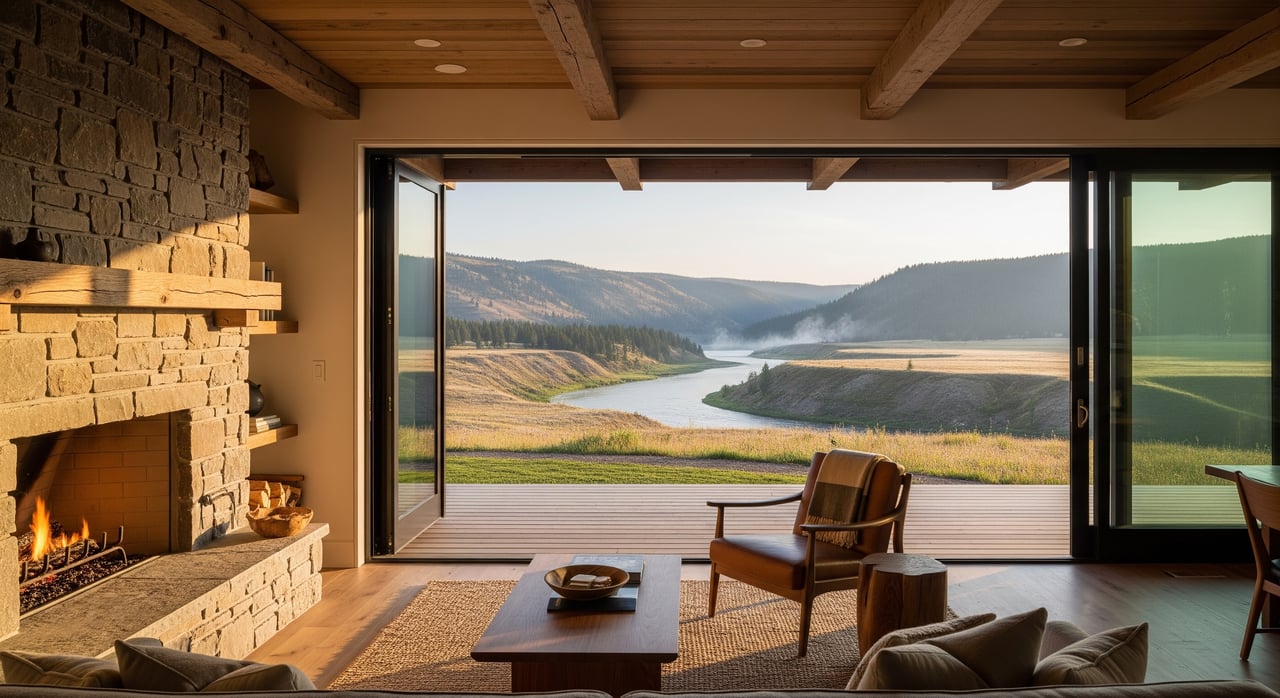
Imagine waking up to the sound of the Yellowstone River and seeing elk on your way to get coffee. If you are drawn to big scenery and small‑town rhythms, Gardiner offers a rare blend of everyday life at the gateway to Yellowstone. You probably have questions about housing, services, seasons, and how the park’s visitor flow shapes daily routines. This guide walks you through what life here really looks like, plus practical tips for choosing a home and settling in with confidence. Let’s dive in.
Gardiner at a glance
Gardiner is a small year‑round community right at Yellowstone’s North Entrance. The resident population feels tight‑knit, and daily life runs on a smaller municipal footprint than larger Montana towns. Summer brings a large seasonal influx of visitors and workers, which shapes everything from traffic to business hours.
Housing includes single‑family homes, cabins, inns and motels, seasonal worker lodging, and a notable share of short‑term rental properties. Gateway markets often see limited for‑sale inventory and competition from second‑home and investor buyers, which can push prices higher and reduce long‑term rental supply. If you plan to buy, factor in inventory constraints and the potential for a property to be used as a short‑term rental where allowed.
Park County sets property tax structures. Short‑term rental rules and business licensing are handled locally. If you are considering renting your home, verify current Park County ordinances, any Gardiner business requirements, and HOA rules before you buy.
Everyday essentials
Groceries and basics
You can handle daily needs with small, locally oriented grocery and general‑store options in town. Expect produce, pantry staples, and basic hardware. For full‑service grocery runs or specialty items, residents commonly travel to larger regional centers.
Dining and local businesses
Restaurants, bars, outfitters, guides, gift shops, and lodging anchor the business mix. Hours and staffing are seasonal, with the widest options in late spring through early fall. In winter, some places reduce hours or pause operations, and the pace turns quiet.
Schools and childcare
Gardiner has a local public school system serving K–12. Families can expect small class sizes and a more limited slate of extracurriculars than in larger districts. Childcare options are limited in town, so some families rely on local networks or commute to nearby communities for expanded choices.
Healthcare
Local healthcare is limited to small clinic or urgent‑care–type services, when available. For hospital care or specialists, you will travel to regional medical centers. Emergency medical services connect through county and regional protocols, and response or evacuation times depend on weather and road conditions, especially in winter.
Utilities and connectivity
Water, sewer, and waste
Some properties connect to municipal systems, while many rely on private wells and septic. Always verify water source, well performance, septic capacity, and any permitting requirements during your due diligence. Because wildlife is common, secure garbage and food storage is essential.
Internet and cell service
Cell coverage can be spotty in parts of the valley, and wired broadband options may be limited depending on the address. Many residents use satellite internet, including low‑earth‑orbit providers, or fixed wireless. If you work remotely, confirm provider options and speeds at the specific property before writing an offer.
Getting around
Driving and road access
Gardiner sits on paved state and federal highways at Yellowstone’s North Entrance. Most households rely on personal vehicles for daily life. Walking and biking work well for short in‑town trips, but you will drive for most errands outside the community.
Commute times and errands
For services not found locally, budget roughly 1 to 1.5 hours to reach the Park County seat and larger service centers. For a major regional airport with frequent commercial flights, plan about 1.5 to 2 hours of driving. Summer visitor traffic and winter weather can lengthen travel times, so build in buffers.
Parking and summer traffic
In peak season, parking near the park entrance and along the main corridor can be crowded. You will notice more noise and congestion during the busiest months. Many residents time errands for early morning or later evening to avoid peak flow.
Outdoor life starts out your door
Yellowstone, minutes away
From town, you can be through the North Entrance and on your way to Mammoth Hot Springs in minutes. The North Entrance is open year‑round, which improves winter access compared with other parts of the park. Seasonal programming, visitor flow, and park employment opportunities all shape community life.
Yellowstone River access
The Yellowstone River borders Gardiner and offers fly fishing, wading, and float trips. Trout are the main draw, and seasons and regulations apply. Always carry the appropriate fishing license and follow Montana Fish, Wildlife & Parks rules, including boating restrictions and catch‑and‑release where required. Spring runoff raises river levels and can change access or safety, so check local advisories.
More ways to get outside
Hiking, mountain biking, horseback riding, wildlife viewing, and guided tours are part of everyday recreation. In winter, nearby areas offer cross‑country skiing and snowshoeing. Many outfitters operate seasonally, so plan ahead for guided trips.
Seasonality and work
Visitor seasons
Peak visitation runs from late spring through early fall. That is when the most jobs are available and when local businesses are fully staffed. In the off‑season, some reduce hours or close, which changes the pace of daily life.
Employment mix
Tourism and hospitality, National Park Service roles, retail and services, construction, and guiding or outfitting make up much of the job base. Year‑round work is more limited and often tied to public services, schools, or year‑round hospitality operations. If you need steady, non‑seasonal employment, expect to broaden your search beyond town.
Cost of living
Some everyday costs can be higher than in larger nearby cities due to rural delivery and distance. Property prices near the park can run elevated because of second‑home demand and the short‑term rental market. Include utilities, insurance needs, and travel costs for regular trips to regional centers in your budget.
Winter in Gardiner
Winters are quiet with snow, shorter days, and fewer open businesses. Many residents enjoy the calm and winter recreation. Others find the season isolating. The North Entrance’s year‑round status is a plus, since it keeps a key corridor open when other park gates are closed.
Wildlife and safety
Wildlife is part of daily life. Expect to see elk, bison, deer, and bears in and around town. Practice bear‑aware habits, secure garbage and attractants, and manage pets carefully. Crime rates for violent offenses are typically low in small Montana towns, but property and vehicle break‑ins can occur in tourist areas, especially during peak season.
Smart buyer checklist
Use this quick list when you tour properties:
- Verify internet providers, available speeds, and reliability at the exact address.
- Confirm water source, well output, and septic capacity and permitting.
- Review Park County short‑term rental rules, Gardiner business licensing, and any HOA regulations before purchase.
- Ask about flood risk and river proximity, especially related to spring runoff.
- Learn winter access details, including plowing, road maintenance, and driveway grade.
- Check parking constraints and summer congestion around the property.
- Plan for secure trash storage and wildlife‑friendly practices.
- Get insurance quotes that reflect wildfire, winter access, and river proximity, where applicable.
- Test commute times to your regular destinations in both summer and winter.
- For families, evaluate school programs, childcare options, and travel time to regional activities.
Neighborhood feel and housing notes
Gardiner’s housing stock is diverse for a town its size. You will find single‑family homes, cabins, motels and inns, seasonal worker housing, and a meaningful presence of short‑term rentals. Inventory is often tight and competition from second‑home buyers and investors can be strong. If you plan to rent your property short term, confirm local rules early so you can align your search with permitted uses.
Is Gardiner a fit for you?
If you want front‑row access to Yellowstone and river recreation, Gardiner offers something special. You trade big‑box convenience for wild scenery, simple routines, and a small‑town community. Summer is lively, winter is peaceful, and the seasons set the tempo. If that balance sounds right, you may feel right at home here.
Ready to explore homes, learn the ins and outs of wells and septic, or verify address‑level internet options and short‑term rental rules? Reach out to the local pros at Small Dog Realty. We combine neighborhood knowledge with hands‑on service to help you move with confidence.
FAQs
How far is Gardiner from major services?
- For larger grocery stores and county services, plan roughly 1 to 1.5 hours of driving, and about 1.5 to 2 hours to a major regional airport. Seasonal traffic and winter weather can extend travel times.
Can I work remotely from Gardiner?
- It is possible, but performance varies by address. Verify available providers and speeds, and consider satellite or fixed wireless where wired broadband is limited.
What should I know about short‑term rentals in Park County?
- Short‑term rentals are common. Before buying, review Park County ordinances, any Gardiner business licensing requirements, and HOA rules to confirm what is allowed.
How does living near wildlife affect daily routines in Gardiner?
- Expect regular wildlife activity. Use bear‑aware practices, secure trash and attractants, manage pets, and follow local and National Park Service guidance when encountering animals.
What is winter like for residents in Gardiner?
- Winter is quieter with snow and shorter daylight, and some businesses reduce hours. The North Entrance is open year‑round, which helps with access and offers unique winter recreation opportunities.